
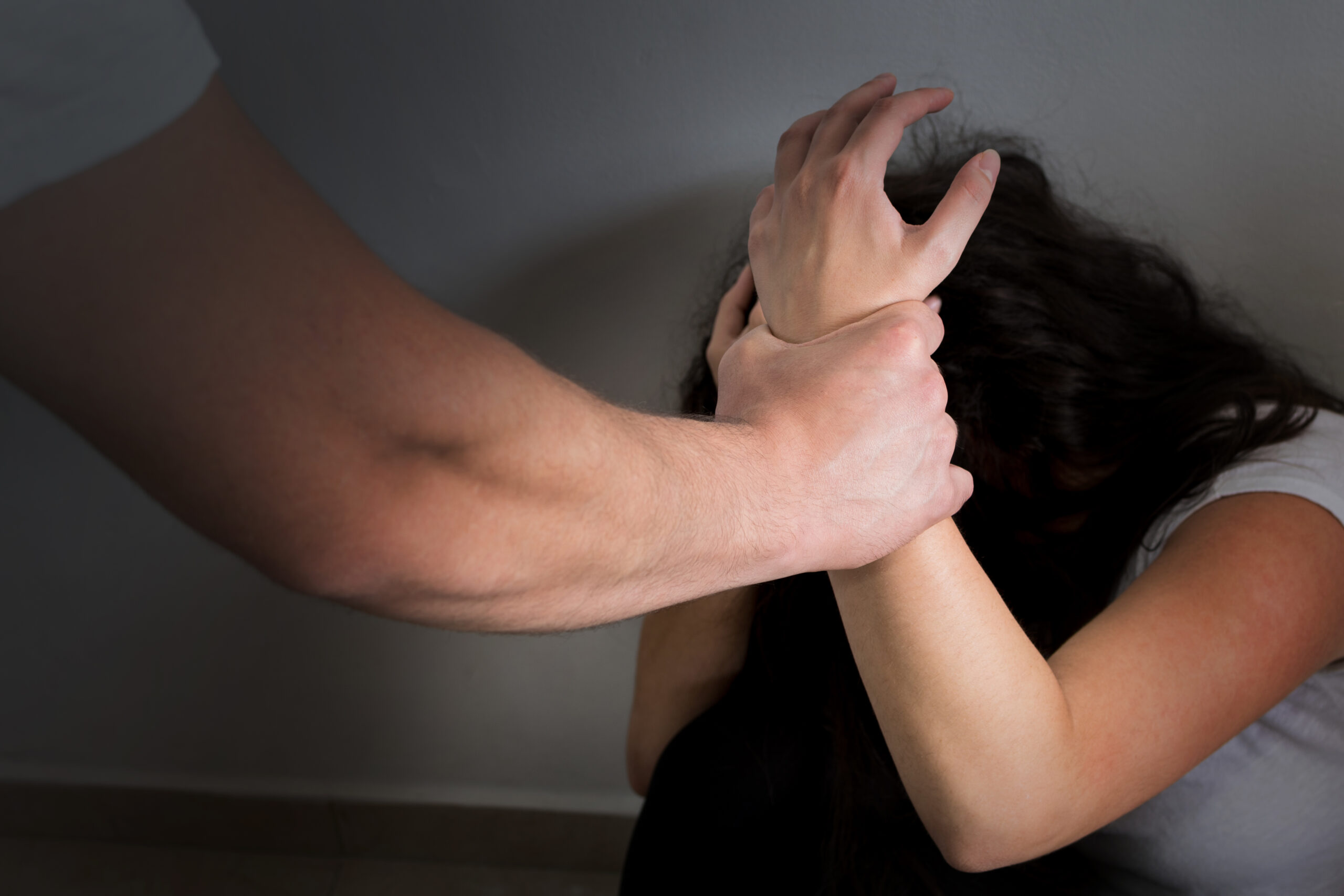
Although there is extensive data on gender violence collected each year, it is often asked: “If a person is in a dysfunctional relationship and suffers abuse, why don’t they leave their aggressor?”
The answer is simple: many people believe that their aggressor will eventually change. However, this does not happen.
Here we present the cycle of gender violence that you may be experiencing. Learn to identify each stage and understand that there will never be change. Report it now!
- Calm: At this stage, everything feels like a fairy tale. There are no reproaches, and as a couple, conflicts seem resolved. The aggressor shows no signs of anger or abuse, usually maintaining a passive and controlling attitude.
- Tension building: Disagreements begin to appear over time. The aggressor may start manipulating the victim so that they behave as expected. Situations that bother the aggressor may be interpreted as provocation. Eventually, insults, humiliation, and contempt appear, causing serious psychological harm and lowering the victim’s self-esteem.
- Explosion: This occurs when the aggressor accumulates resentment and anger toward the victim. It is the most severe stage, where behavior becomes irrational and uncontrolled, leading to serious physical or sexual harm in order to dominate the victim. At this stage, the victim may suffer beatings, slaps, pushing, sexual assaults, health damage, forced abortions, or even death.
If you find yourself in such a situation, get away as soon as possible.
- Honeymoon phase: This is when phrases like “I promise it won’t happen again” or “It’s the last time, forgive me” are common. The aggressor tries to make up for the damage through words or actions, behaves well, helps with household tasks, and may give gifts, all in an attempt to appease the victim.
Over time, the cycle begins again, repeating itself over and over.
Break free from this and do not become another case.