
When a minor breaks down, you need
Domestic Violence Lawyer for Cases Involving Children
Specializing in Domestic Violence and Minors’ Rights
You’re just one click away from finding justice
Free and confidential first call
ABUSE
Physical
Psychologicall
Emotional
DAMAGES
Assessment
Compensation
Consequences
FAMILY
Intervention
Conflict
Mediation
MENTAL HEALTH
Rehabilitation
Discipline
Therapy
SOCIAL MEDIA
Cyberbullying
Digital Abuse
Sexting
EDUCATION
School Monitoring
Possessiveness
Control
Home » Domestic Violence Lawyer in Valencia » Domestic Violence Involving Minors
How Domestic Violence Affects Children
I need a lawyer to help me handle this situation.
I need a lawyer who understands my situation and can help set boundaries at home.
I’m looking for a lawyer who can help me regain my privacy.
Urgent Protection Measures
QUALIFIED INITIAL SUPPORT
Your first intake call is handled by a psychologist and is free of charge. Its purpose is to listen and gather the essential information with empathy and confidentiality; it does not constitute legal advice, a psychological consultation or therapy.
LEGAL CONSULTATION
During the legal consultation, Javier Sanz reviews your situation and the available documents, explains the relevant legal options and agrees the next steps with you.
FLEXIBLE FINANCING
We understand that, as a minor, facing legal costs can feel overwhelming. That’s why we offer flexible, interest-free financing options, designed so you don’t have to worry about financial barriers.
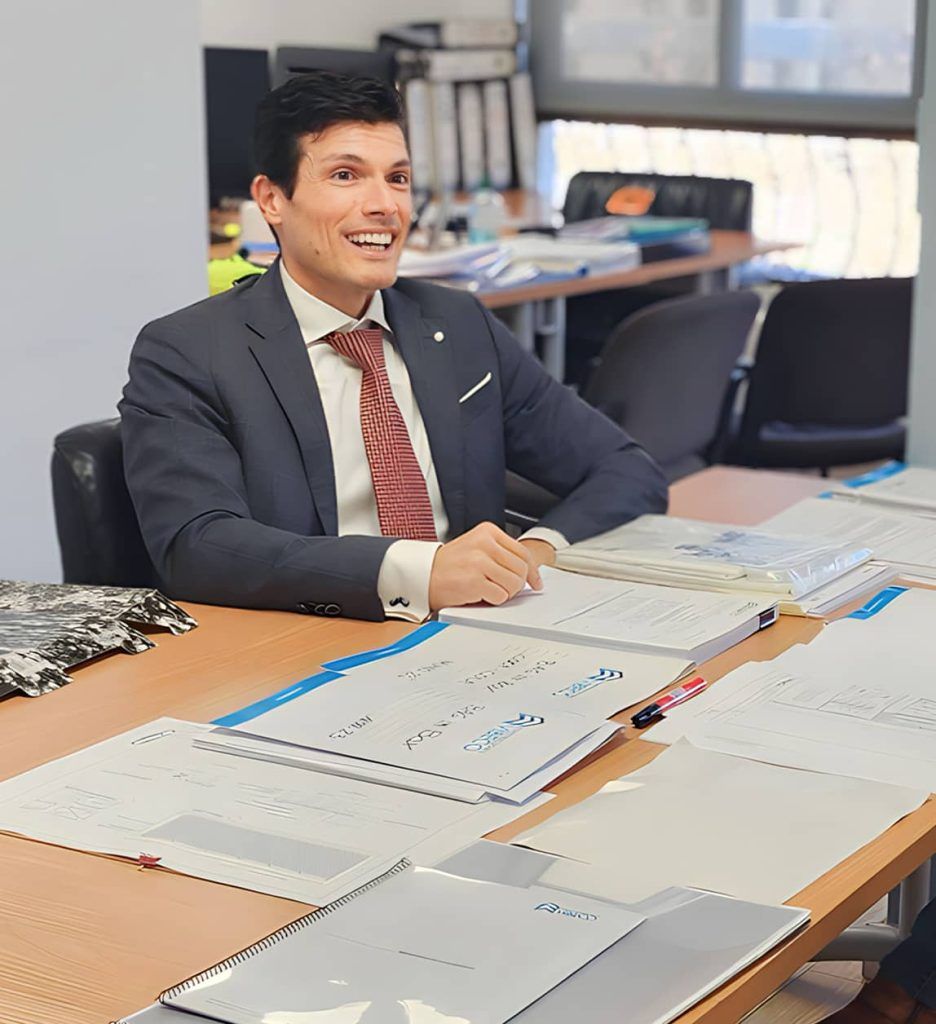
I am Javier Sanz, a lawyer specializing in Domestic Violence and Minors
I understand this may be a very difficult time, and you may feel frightened or confused. I want you to know that you are not alone.
MY COMMITMENT TO YOU GOES BEYOND BEING YOUR LAWYER — I AM SOMEONE WHO GENUINELY CARES ABOUT YOUR WELL-BEING AND YOUR RIGHT TO JUSTICE.
My expertise in minors’ rights and domestic violence cases enables me to protect you and stand by your side, ensuring your voice is heard and respected.

Family and Criminal Law Options
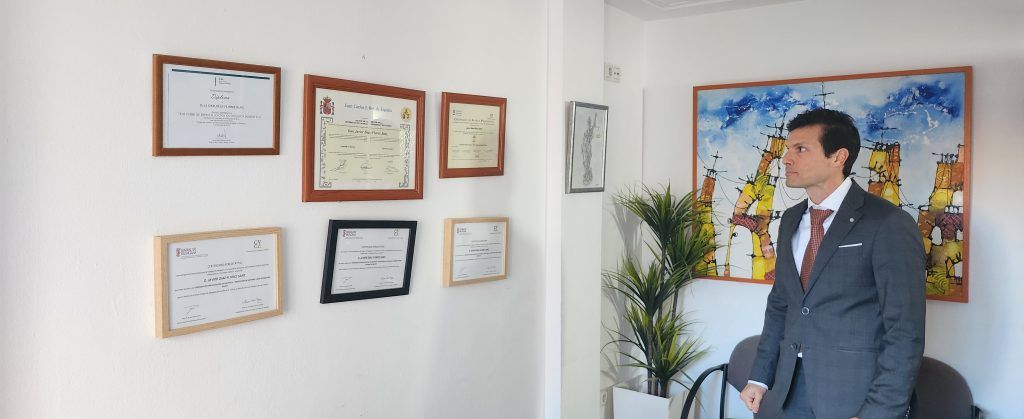
Our main priority is to continue expanding our training to ensure highly specialized legal counsel.
GENDER-BASED AND DOMESTIC VIOLENCE
COURSES, SPECIALIZATION IN JUVENILE LAW
- Court-Appointed Counsel for Minors
- Specialization in Juvenile Criminal Law
- Juvenile Law
- Juvenile Jurisdiction: Restitution and Civil Liability
- Protection and Support for Minor Victims of Gender-Based Violence
- Juvenile Criminal Law
- Children and Adolescents at Risk
- New Organic Law on the Comprehensive Protection of Children and Adolescents Against Violence
How Your Initial Call Works
Benefit from years of specialized experience and training.
+34 637 342 483
hola@abogadoviolenciadegenero.com
WHAT YOU NEED TO KNOW
Speak When You’re Ready: Do not feel pressured to talk; your comfort and emotional well-being come first.
Seek Specialized Support: Find a trusted adult or professional who can guide and support you throughout this process.
Understand Your Rights as a Minor and Make Sure Your Lawyer Upholds Them.
Document Everything You Can: Keep a record of anything you remember that may be relevant to your case.
Testimonials
A vocation that defines who we are

Reclaiming your youth and rebuilding your social life should not be a journey you face alone
Receive exclusive advice and resources in your inbox to help you break free from domestic violence
Stay informed with the latest updates and insights. Learn how to defend your boundaries.
What does the procedure involve?
Spanish law, through Organic Law 5/2000, establishes a specific legal framework to address these sensitive cases, emphasizing the comprehensive protection of victims and promoting the rehabilitation of juvenile offenders.
SPECIAL PROCEDURE
Within the juvenile justice system, there are mechanisms designed to provide urgent protection to victims. At the same time, when the minor is the alleged offender, the legislator prioritizes special prevention, ensuring the response is accountable, educational, and focused on reintegration.
THE INITIATION OF PROCEEDINGS AGAINST A MINOR FOR A GENDER-BASED VIOLENCE OFFENSE, UNLIKE IN THE ADULT CRIMINAL SYSTEM, ALLOWS FOR SWIFT INTERVENTION BY SPECIALISTS IN EDUCATION AND TRAINING.
This early intervention helps identify risk factors in the minor’s developmental process and the underlying causes that may have contributed to the offense.
FOR MINOR VICTIMS
If you are under 18 and have been a victim of gender-based violence, it is essential that you know the law is there to protect you.
THE SPANISH LEGAL SYSTEM ALLOWS FOR THE INTERVENTION OF SPECIALIZED JUVENILE COURTS TO SAFEGUARD YOUR RIGHTS AND PROVIDE THE NECESSARY PROTECTIVE MEASURES.
This includes the possibility of requesting restraining orders to prevent the aggressor from approaching or contacting you, ensuring your well-being and safety.
FOR MINORS ACCUSED
For minors facing allegations of gender-based violence, the law seeks to balance accountability with the opportunity for rehabilitation.
THROUGH AN EDUCATIONAL APPROACH, THE JUDICIAL SYSTEM EMPHASIZES RE-EDUCATION AND SOCIAL REINTEGRATION.
By offering measures ranging from psychological and social support to tailored sanctions based on each individual case, the goal is to prevent reoffending and promote positive social integration.
Tell Us About Your Case
You’re just one click away from achieving the justice you deserve
+34 637 342 483
hola@abogadoviolenciadegenero.com
You probably still have questions
I’ve put together a list of some of the most frequently asked questions, but if you still have doubts, feel free to email us at hola@abogadoviolenciadegenero.com and we’ll be happy to help.
Your lawyer should provide representation that takes into account your age and level of maturity. They must explain the legal process in a way you can understand, so you can actively participate in your defense. In addition, your lawyer should advocate to ensure that your rights as a minor are fully respected and protected throughout the entire process.
It is important to express how you are feeling to your lawyer or to a trusted counselor. They can help you manage your emotions and cope with the stress of the case. Remember, you are not alone, and there are professionals ready to support you.
Under Spanish law, when dealing with juvenile offenders (individuals between 14 and 18 years old), Organic Law 5/2000 on the Criminal Responsibility of Minors establishes a range of measures designed not only to sanction, but also to educate and reintegrate the minor into society. These measures vary and focus on correction, education, and social reintegration. Below are the main types of measures that may be imposed on minors in Spain:
Judicial Educational Measures
• Warning: A formal reprimand issued by the judge to make the minor aware of the seriousness of their actions.
• Community or Educational Tasks: Participation in community or social activities for a set period, aimed at fostering social responsibility.
• Attendance at a Day Center: The minor is required to attend an educational or training program during the day while continuing to live at home.
• Weekend Detention: The minor remains in a detention center during weekends for a specified period.
Supervised Release Measures
• Supervised Release: Ongoing monitoring and guidance by technical teams or educators, with specific behavioral guidelines to follow.
Custodial Measures
• Placement in a Closed, Semi-Open, or Open Regime: Depending on the seriousness of the offense and the minor’s circumstances, different levels of detention may be ordered. Closed regimes are the most restrictive, while open regimes allow greater freedom, always with the goal of education and reintegration.
Residential Measures
• Placement with Another Person, Family, or Educational Group: Providing the minor with a stable and positive environment different from their usual one, supporting their development and socialization.
Therapeutic Measures
• Outpatient Treatment: Imposed when the minor requires medical, psychological, or psychiatric treatment without residential placement.
• Therapeutic Placement: For cases requiring intensive medical or psychological supervision.
These measures are tailored to the individual needs of each minor, always prioritizing education, rehabilitation, and social reintegration over punishment. The specific measure imposed will depend on the nature of the offense, the minor’s personality, and their social environment.
Talk to your lawyer, teachers, and school counselors about your situation. They can offer support and adjustments within your school environment to help you manage stress and pressure. Maintaining a routine and seeking support from friends and family can also be beneficial.
If you feel your current lawyer is not providing the representation you need, you may consider seeking a different attorney. It is important that you feel understood and supported, especially in a case as sensitive as this.
It is essential to report any suspected case of gender-based violence to local child protection authorities or the police. In Spain, you can call the emergency number 112 or contact the 016 helpline for victims of gender-based violence.
Criminal proceedings begin when the Juvenile Prosecutor becomes aware of the possible commission of an offense by a person between the ages of 14 and 18, in accordance with Article 1 of Organic Law 5/2000.
A minor may only be detained for the time strictly necessary to carry out the relevant investigations. In any case, within a maximum period of 24 hours, the minor must be released or placed at the disposal of the Public Prosecutor’s Office.
The Public Prosecutor must decide within a maximum of 48 hours from the time of detention whether the minor will be released or whether precautionary measures will be requested before the Juvenile Court.
Yes. Any minor accused of committing a criminal offense must be assisted by a lawyer from the very moment of detention, if detention occurs.
The minor also has the right to meet with their lawyer before giving a statement to the police, a right that adults do not have under the same conditions.
If the minor does not have the financial means to hire a lawyer, one will be appointed by the court.
No. Except in cases involving minor offenses such as insults or slander, most of these offenses are public crimes. Therefore, the Public Prosecutor is required to continue the necessary investigations to clarify the facts, even if the complaint is withdrawn.
Minors are not subject to criminal penalties but to protective and educational measures. These are determined based on the minor’s age, personal, family, and social circumstances, as well as their personality, always prioritizing what is most appropriate for their education and development.
The measures that may be imposed include:
Placement in a Closed Regime
The minor resides in a juvenile facility and carries out educational, training, work-related, and recreational activities within the center.
Placement in a Semi-Open Regime
The minor resides in the facility but may carry out certain educational, training, work, or leisure activities outside the center, as established in their individualized intervention program.
Any activities outside the center are subject to the minor’s progress and compliance with the objectives set. The Juvenile Court may suspend these activities for a specific period and require that all activities take place within the center.
Placement in an Open Regime
The minor carries out all activities within ordinary community services, residing at the center as their usual place of residence and subject to its internal rules and program.
Therapeutic Placement (Closed, Semi-Open, or Open Regime)
In these centers, specialized educational care or specific treatment is provided for minors suffering from psychological disorders, substance addiction (including alcohol or drugs), or significant perceptual disturbances. This measure may be applied independently or alongside another measure. If the minor refuses treatment, the Judge may impose a different measure appropriate to their circumstances.
Outpatient Treatment
The minor must attend the designated center periodically and follow the treatment guidelines established by medical professionals for psychological disorders or substance addiction. This measure may be applied independently or in addition to another measure.
Attendance at a Day Center
The minor remains living at home but attends a community-based center to participate in support, educational, training, work-related, or recreational activities.
Weekend Detention
The minor remains at home or in a center for up to thirty-six hours between Friday afternoon/evening and Sunday evening, except for time allocated to socio-educational tasks ordered by the Judge.
Supervised Release
The minor’s activities and attendance at school, vocational training, or work are monitored, with the aim of helping them overcome the factors that led to the offense.
This measure may also require compliance with socio-educational guidelines established by a public authority or supervising professional, according to an intervention plan approved by the Juvenile Judge.
The minor must attend scheduled meetings with the assigned professional and comply with any conduct rules imposed by the Judge, which may include:
Attending school regularly, if of compulsory school age, and providing proof of attendance or justification for absences when required.
Participating in educational, cultural, vocational, employment-related, sexual education, road safety, or similar programs.
Prohibition from visiting certain places, establishments, or events.
Prohibition from leaving their place of residence without prior judicial authorization.
Obligation to reside in a specific place.
Obligation to appear personally before the Juvenile Court or designated professional to report and justify activities carried out.
Any other obligations the Judge, either ex officio or at the request of the Public Prosecutor, considers appropriate for the minor’s social reintegration, provided they respect the minor’s dignity.
If compliance with any of these obligations makes it impossible for the minor to continue living with their parents, guardians, or custodians, the Public Prosecutor must notify the child protection authority so that appropriate protective measures can be adopted in accordance with Organic Law 1/1996.
Prohibition from Approaching or Communicating with the Victim
The minor may be prohibited from approaching or contacting the victim, their family members, or other persons designated by the Judge, in any location, including their home, school, workplace, or any other place they frequent.
This also includes a ban on communication through any means — written, verbal, electronic, or telematic. If this measure prevents the minor from continuing to live with their parents or guardians, the Public Prosecutor must notify the child protection authority in accordance with Organic Law 1/1996.
Placement with Another Person, Family, or Educational Group
The minor must live, for the period established by the Judge, with another person, a different family, or an educational group specifically selected to guide them through their socialization process.
Community Service
The minor must carry out unpaid activities of social interest or in support of individuals in vulnerable situations, provided they consent to the measure.
Educational Tasks
The minor must carry out specific educational activities aimed at developing their social skills, without placement in a center or supervised release.
Reprimand
A formal warning issued by the Juvenile Judge to make the minor aware of the seriousness of their actions and the consequences, encouraging them not to reoffend.
Revocation of Driving Licenses or the Right to Obtain Them, and Revocation of Administrative Licenses for Hunting or Weapons
This measure may be imposed as an additional sanction if the offense was committed using a vehicle or a weapon.
Absolute Disqualification
This measure entails the definitive loss of public honors, positions, or offices, whether elected or appointed, as well as the inability to obtain such positions or be elected to public office during the duration of the measure.
No. A person does not acquire a criminal record for offenses committed while under the age of 18. However, police records may exist, meaning the individual’s data may remain registered in law enforcement databases. These records may be subject to cancellation upon request.
The Juvenile Judge determines the measure to be imposed, and in certain cases, the Public Prosecutor may also do so.
In both cases, significant weight is given to the report prepared by the Technical Team, composed of professionals attached to the Prosecutor’s Office, who assess the most appropriate measure for the minor.
This report evaluates the minor’s psychological, educational, and family situation, as well as their social environment and any other relevant circumstances.
Yes. In certain circumstances, at the request of the Public Prosecutor and following a hearing, the Juvenile Judge may order one or more precautionary measures before a final judgment.
This requires reasonable indications that the minor has committed an offense and a risk of absconding, obstructing justice, or causing harm to the victim.
The precautionary measures may include:
– Placement in a juvenile center (for a period of up to six months, extendable for an additional three months)
– Supervised Release (which may remain in place until the final judgment)
– Prohibition from approaching or communicating with the victim, their family members, or other persons designated by the Judge (which may remain in place until the final judgment)