
When adolescence breaks down, you need
Juvenile Lawyer in Valencia
You are one Click away from achieving Justice
Free and confidential first call
BULLYING
Physical
Psychological
Emotional
SEXTING
Intimidation
Aggressions
Harassment
SOCIAL MEDIA
Cyberbullying
Digital Violence
Sexting
GENDER EQUALITY
Stereotypes
Awareness
Respect
EDUCATION
School Monitoring
Possessiveness
Domination
TOXIC RELATIONSHIPS
Dependency
Jealousy
Manipulation
Legal Matters Affecting Children and Teenagers
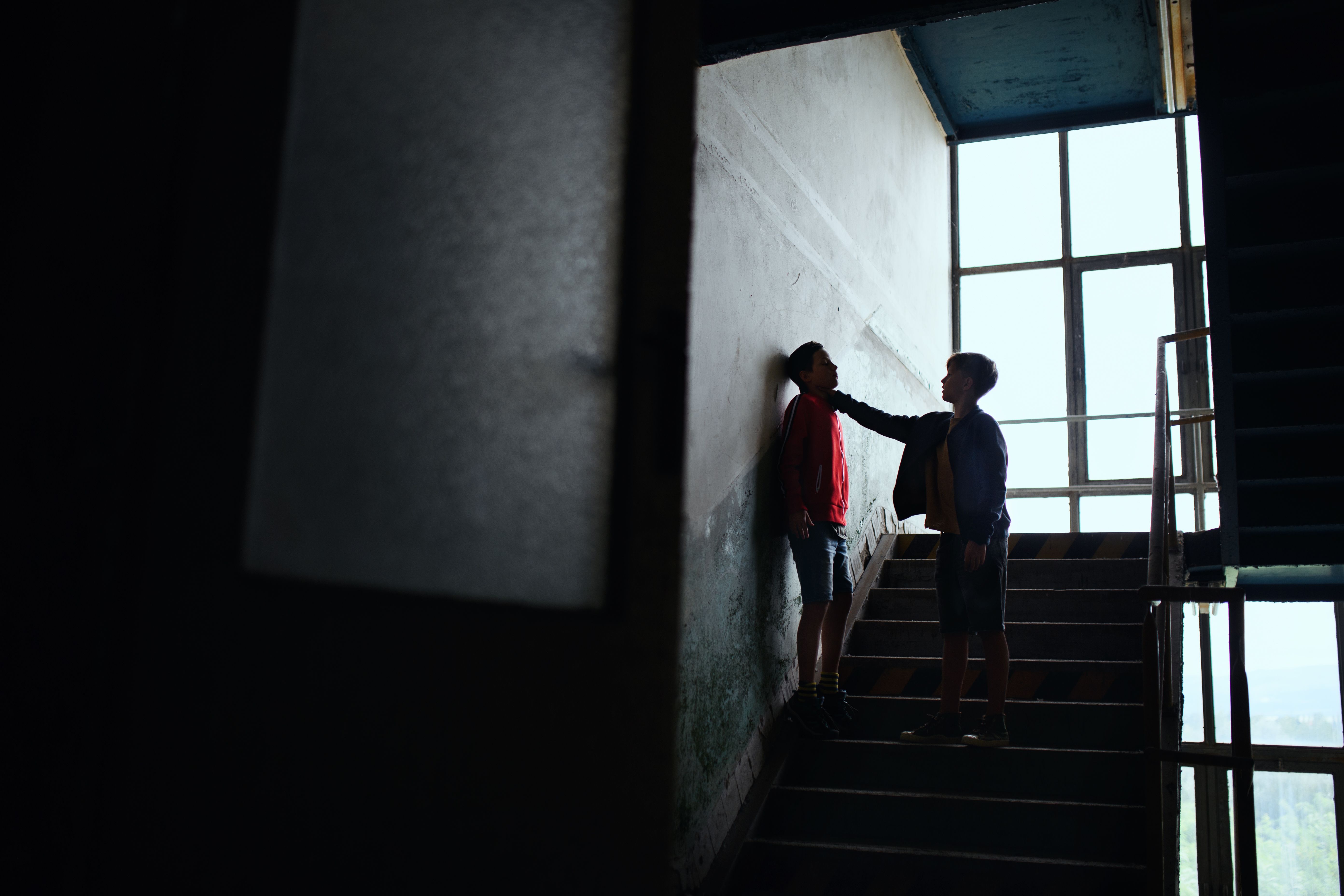
I need a lawyer to protect me and put an end to this nightmare.
I want a lawyer to represent me in order to put an end to this harassment at my school.
I need a lawyer to help me handle this privacy violation case and take legal action.
How We Support Children and Families
QUALIFIED INITIAL SUPPORT
Your first intake call is handled by a psychologist and is free of charge. Its purpose is to listen and gather the essential information with empathy and confidentiality; it does not constitute legal advice, a psychological consultation or therapy.
LEGAL CONSULTATION
During the legal consultation, Javier Sanz reviews your situation and the available documents, explains the relevant legal options and agrees the next steps with you.
FLEXIBLE FINANCING
We know that the financial aspect is an important concern for families, which is why we offer flexible financing options with no interest, designed especially for you.
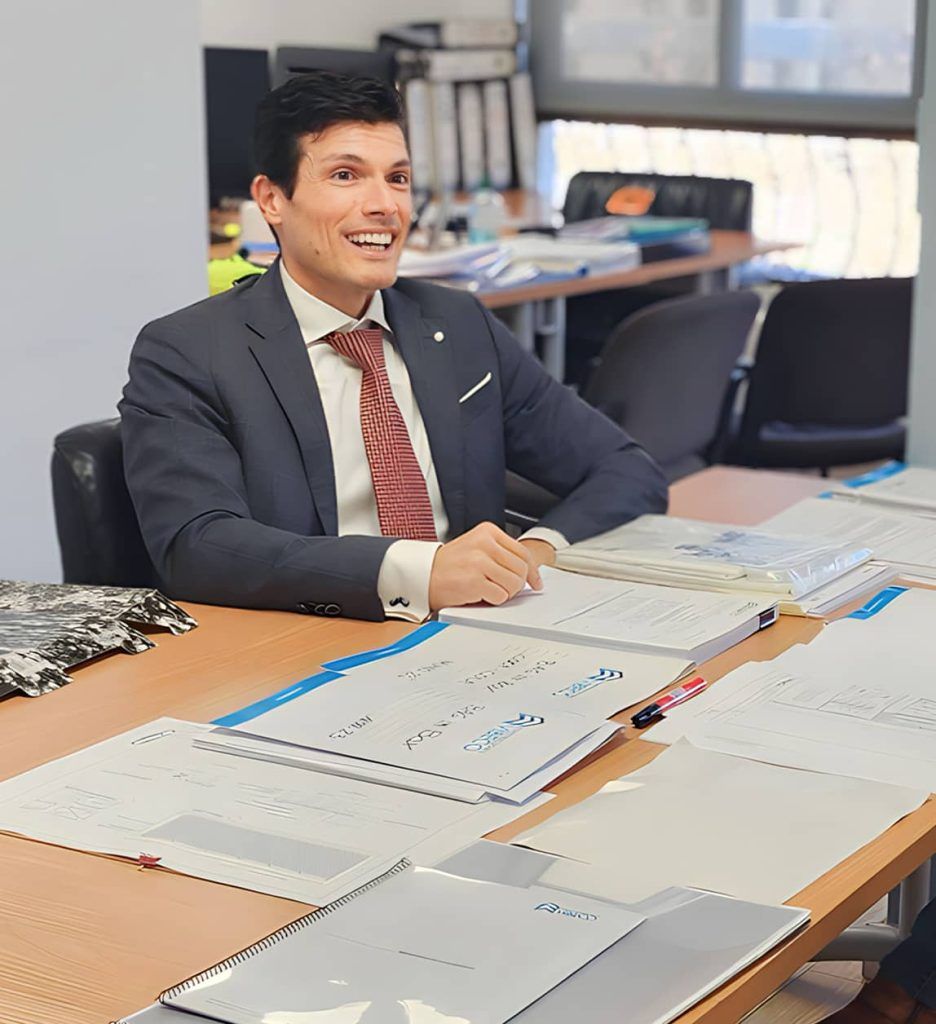
I am Javier Sanz, a lawyer specialized in Minors
Do you feel alone and helpless? At our firm, we want you to know that you are not alone.
HERE WE HAVE HELPED MANY YOUNG PEOPLE LIKE YOU OVERCOME DIFFICULT CHALLENGES AND FIND JUSTICE.
We understand what you are going through and we are here to support and defend you. With years of experience and a proven track record in juvenile cases, you have the best allies by your side.

Areas of Legal Support
GENDER AND DOMESTIC VIOLENCE
COURSES, SPECIALIZATION IN MINORS
- Access to duty solicitor service for minors
- Specialization in Juvenile Criminal Law
- Minors Law
- Juvenile jurisdiction, compensation and civil liability
- Protection and treatment of minors who are victims of Gender Violence
- Juvenile criminal law
- Childhood and adolescence at risk
- New organic law for the comprehensive protection of children and adolescents against violence
How Your Initial Call Works
Benefit from years of specialization and training.
+34 637 342 483
hola@abogadoviolenciadegenero.com
What the Legal Process Involves
Speak When You Are Ready: Do not feel pressured to speak; your comfort and emotional well-being come first.
Seek Specialized Support: Find a trusted adult or a professional to support you through this process.
Know Your Rights as a Minor: Understand your specific legal rights in the legal system and make sure your lawyer applies them.
Document Everything You Can: Keep a record of anything you remember and that may be relevant to the case.
Testimonials
Vocation as an inseparable value

Recovering your youth and rebuilding your social life should not be a path you walk alone
Receive advice and exclusive resources in your email to promote gender equality
Stay informed with the latest news and advances in gender equality. Learn to challenge stereotypes!
What does the procedure consist of?
Spanish law, through Organic Law 5/2000, establishes a specific legal framework to address these sensitive cases, emphasizing the comprehensive protection of victims and promoting the rehabilitation of juvenile offenders.
SPECIAL PROCEDURE
In juvenile jurisdiction, there are mechanisms on one hand to guarantee urgent protection for the victim. On the other hand, regarding the minor responsible for the acts, the legislator has opted for special prevention, so that the response is accountable, educational and restorative.
THE OPENING OF A CASE AGAINST A MINOR FOR A CRIME, UNLIKE WHAT HAPPENS IN ADULT JURISDICTION, ALLOWS FOR RAPID INTERVENTION CARRIED OUT BY SPECIALISTS IN THE AREAS OF EDUCATION AND TRAINING.
This early intervention will allow the detection of risk factors in the developmental process of the minor and the causes that may have contributed to the commission of the acts.
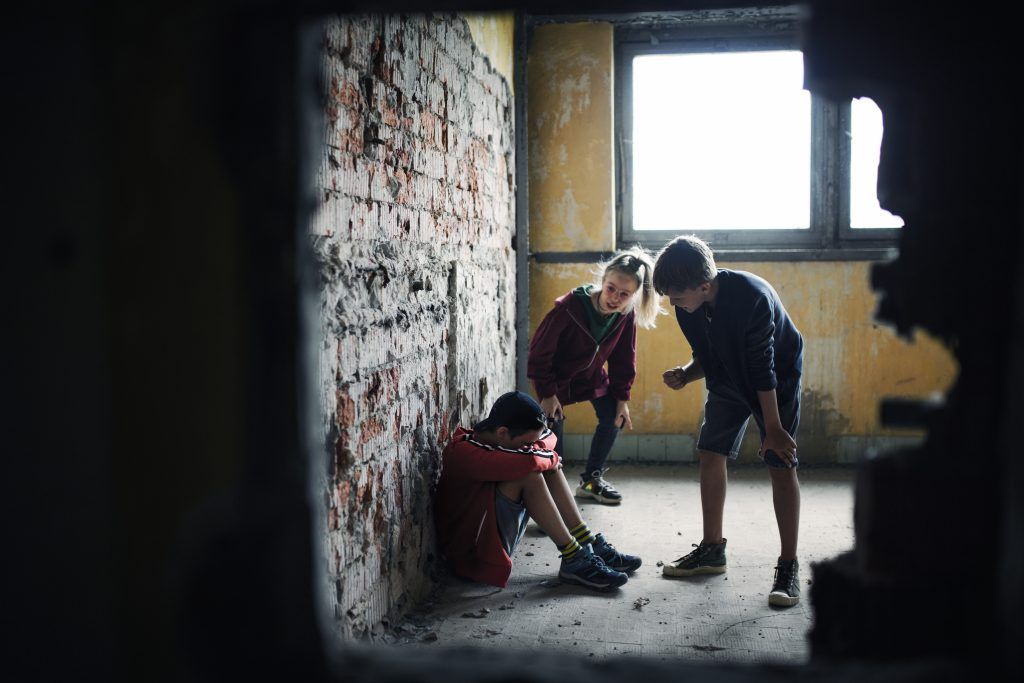
FOR MINOR VICTIMS
If you are underage, it is essential that you know the law protects you.
THE SPANISH LEGAL SYSTEM ALLOWS THE INTERVENTION OF SPECIALIZED JUVENILE COURTS TO GUARANTEE YOUR RIGHTS AND OFFER YOU THE NECESSARY PROTECTION MEASURES.
This includes the possibility of requesting protection orders that restrict the aggressor from approaching or communicating with you, ensuring your well-being and safety.
FOR ACCUSED MINORS
For minors facing accusations, they should know that the law seeks a balance between criminal responsibility and the opportunity for rehabilitation.
THROUGH AN EDUCATIONAL APPROACH, THE JUDICIAL SYSTEM EMPHASIZES RE-EDUCATION AND SOCIAL REINTEGRATION.
Offering measures ranging from psychological and social support to sanctions adapted to each particular situation, the objective is to prevent reoffending and promote positive social integration.
Tell Us About Your Case
Benefit from years of specialization and training.
+34 637 342 483
hola@abogadoviolenciadegenero.com
You surely still have doubts
I have prepared a list with some of the most frequently asked questions, but if you still have doubts, write to us at hola@abogadoviolenciadegenero.com and we will help you
En el momento en que el Fiscal de Menores tiene conocimiento de la posible comisión de un delito por personas mayores de 14 años y menores de 18, así lo dispone el artículo 1 de la Ley 5/2000.
The detention of a minor may not last longer than strictly necessary to carry out the investigations aimed at clarifying the facts, and in any case, within a maximum period of 24 hours, the minor must be released or placed at the disposal of the Public Prosecutor’s Office.
The Public Prosecutor’s Office, within a maximum period of 48 hours from the detention by the Police, must decide whether to release the minor or request precautionary measures from the Juvenile Court Judge.
Yes, it is mandatory that every minor accused of committing a crime be assisted by a Lawyer from the very moment of detention, if it occurs.
They even have the right to meet with the Lawyer before giving a statement to the Police, something that adults cannot do.
In the absence of financial means, a court-appointed lawyer will be assigned.
No, except in cases involving insults or slander offenses, the rest are public crimes and therefore the Public Prosecutor’s Office must carry out the necessary investigations to clarify the facts.
Minors are not sentenced to criminal penalties; instead, security measures are imposed according to age, personal, family and social circumstances of the minor, and their personality, always seeking those most beneficial for their education and development.
The measures that may be imposed are as follows:
Detention under closed regime. Persons subject to this measure will reside in the center and carry out within it the same educational, training, work and leisure activities.
Detention under semi-open regime. Persons subject to this measure will reside in the center, but may carry out outside it some of the educational, training, work and leisure activities established in the individualized execution program of the measure.
The carrying out of activities outside the center will be conditioned by the person’s progress and compliance with the established objectives, and the Juvenile Court Judge may suspend them for a determined period, ordering that all activities be carried out within the center.
Detention under open regime. Persons subject to this measure will carry out all activities of the educational project in normal community services, residing in the center as their habitual residence, subject to the program and internal regime of the same.
Therapeutic detention under closed, semi-open or open regime. In centers of this nature, specialized educational attention or specific treatment will be provided to persons suffering from anomalies or psychological alterations, a state of alcohol dependency, toxic drugs or psychotropic substances, or alterations in perception that determine a serious alteration of awareness of reality. This measure may be applied alone or as a complement to another measure provided for in this article. If the interested party rejects a detoxification treatment, the Judge must apply another measure appropriate to their circumstances.
Outpatient treatment. Persons subject to this measure must attend the designated center with the frequency required by the professionals treating them and follow the guidelines established for the proper treatment of the psychological anomaly or alteration, addiction to alcoholic beverages, toxic drugs or psychotropic substances, or perceptual alterations suffered. This measure may be applied alone or as a complement to another measure provided for in this article. If the interested party rejects detoxification treatment, the Judge must apply another measure appropriate to their circumstances.
Attendance at a day center. Persons subject to this measure will reside at their home and attend a center fully integrated into the community to carry out support, educational, training, work or leisure activities.
Weekend stay. Persons subject to this measure will remain at their home or in a center for a maximum of thirty-six hours between Friday afternoon or night and Sunday night, except for the time that must be dedicated to socio-educational tasks assigned by the Juvenile Court Judge that must be carried out outside the place of stay.
Supervised freedom. Under this measure, the activity of the person subject to it and their attendance at school, vocational training center or workplace, depending on the case, will be monitored, seeking to help them overcome the factors that determined the committed offense.
Likewise, this measure obliges the person, where applicable, to follow the socio-educational guidelines indicated by the public entity or professional responsible for their supervision, according to the intervention program prepared for this purpose and approved by the Juvenile Court Judge.
The person subject to the measure is also obliged to maintain the interviews established in the program with said professional and to comply, where appropriate, with the rules of conduct imposed by the Judge, which may include one or several of the following:
• 1st Obligation to attend the corresponding educational center regularly, if the minor is of compulsory school age, and to prove to the Judge such regular attendance or justify, where appropriate, absences, as many times as required.
• 2nd Obligation to participate in educational, cultural, vocational, work, sexual education, road safety education or other formative programs.
• 3rd Prohibition from attending certain places, establishments or shows.
• 4th Prohibition from leaving the place of residence without prior judicial authorization.
• 5th Obligation to reside in a specific place.
• 6th Obligation to appear personally before the Juvenile Court or designated professional to report on activities carried out and justify them.
• 7th Any other obligations that the Judge, ex officio or at the request of the Public Prosecutor’s Office, considers appropriate for the social reintegration of the sentenced person, provided they do not violate their dignity as a person. If any of these obligations imply the impossibility of the minor continuing to live with their parents, guardians or custodians, the Public Prosecutor’s Office must report the particulars to the public child protection entity, which must promote appropriate protection measures according to the circumstances, in accordance with Organic Law 1/1996.
The prohibition from approaching or communicating with the victim or with their family members or other persons determined by the Judge. This measure will prevent the minor from approaching them, in any place where they may be, as well as their home, educational center, workplaces or any other place frequented by them.
The prohibition from communicating with the victim, or with their family members or other persons determined by the Judge or Court, will prevent the minor from establishing contact with them through any means of communication or computer, telematic, written, verbal or visual means. If this measure implies the impossibility of the minor continuing to live with their parents, guardians or custodians, the Public Prosecutor’s Office must report the particulars to the public child protection entity, which must promote appropriate protection measures according to the circumstances, in accordance with Organic Law 1/1996.
Coexistence with another person, family or educational group. The person subject to this measure must live, for the period established by the Judge, with another person, with a family different from their own or with an educational group, appropriately selected to guide them in their socialization process.
Community service. The person subject to this measure, which may not be imposed without their consent, must carry out unpaid activities indicated to them, of social interest or for the benefit of persons in precarious situations.
Performance of socio-educational tasks. The person subject to this measure must carry out, without detention or supervised freedom, specific activities of educational content aimed at facilitating the development of their social competence.
Warning. This measure consists of the reprimand of the person carried out by the Juvenile Court Judge and directed at making them understand the seriousness of the committed acts and the consequences that they have had or may have, urging them not to commit such acts again in the future.
Deprivation of the right to drive mopeds and motor vehicles, or of the right to obtain it, or of administrative licenses for hunting or for the use of any type of weapons. This measure may be imposed as an accessory when the offense or misdemeanor was committed using a moped or motor vehicle or a weapon, respectively.
Absolute disqualification. The measure of absolute disqualification produces the definitive deprivation of all honors, employment and public office to which it applies, even if elective; as well as the inability to obtain the same or any other honors, public offices or positions, and to be elected for public office during the duration of the measure.
No, under no circumstances will a person have criminal records for acts committed while being a minor. Different, however, is the existence of police records, meaning that their data may remain registered in the files of the State Security Forces and Corps, and in order to remove them, the corresponding cancellation must be requested.
It is the Judge who decides the measure to be imposed on the minor or even the Public Prosecutor’s Office, in certain cases.
In both cases, great importance will be given to the Report prepared by the Technical Team, in which professionals assigned to the Prosecutor’s Office will express the measure they consider most appropriate for the minor.
This report will provide information about the psychological, educational and family situation, as well as their social environment, and in general about any other relevant circumstance.
Yes, in certain cases the Juvenile Court Judge, at the request of the Public Prosecutor’s Office, may agree, after holding a hearing, that the minor be subjected to one or more precautionary measures.
For this to occur, there must be reasonable indications of the commission of a crime by the minor and the risk of evading or obstructing justice or of acting against the victim’s interests.
The measures may consist of:
• Detention in a Center. (For a period of six months, extendable by three more)
• Supervised Freedom. (May be imposed until the date of the final Judgment)
• Prohibition from Approaching or Communicating with the victim or their family members or other persons determined by the Judge. (May be imposed until the date of the final Judgment)
It is normal to have doubts about what legally belongs to you, but when your lawyer is specialized in an area of law, they have deep knowledge of the rulings issued by judges in that jurisdiction.
This gives specialists a competitive advantage that we know how to use to structure the claim and win cases.
It is important that you express your feelings to your lawyer or to a trusted counselor. They can help you manage your emotions and cope with the stress of the case. Remember that you are not alone in this and that there are professionals willing to support you.
In the Spanish legal system, when dealing with juvenile offenders (persons between 14 and 18 years old), Organic Law 5/2000 on the Criminal Responsibility of Minors establishes a set of measures aimed not only at sanctioning, but also at educating and integrating the minor into society. These measures can be of different types, focused both on correction and on the education and social integration of the minor. Below are the main types of measures that may be imposed on juvenile offenders in Spain:
Educational Judicial Measures
• Warning: Consists of a formal warning from the judge directed at the minor, seeking to raise awareness of the seriousness of their actions.
• Performance of socio-educational tasks: Involves the minor’s participation in community or social activities for a determined period, with the objective of fostering social responsibility.
• Attendance at a day center: Requires the minor to attend an educational or training program during the day, allowing them to continue living in their family environment.
• Weekend stay: The minor must remain in a detention center only during weekends for a determined period.
Supervised Freedom Measures
• Supervised freedom: A measure involving monitoring and support of the minor by technical teams or educators, establishing behavioral guidelines that must be followed.
Detention Measures
• Detention under closed, semi-open or open regime: Depending on the seriousness of the offense and the circumstances of the minor, detention may be ordered under different regimes, with closed being the most restrictive and open allowing greater freedom, always with the objective of educating and reintegrating the minor.
Coexistence Measures
• Coexistence with another person, family or educational group: Seeks to provide the minor with a stable and positive environment, different from their own, that contributes to their educational and socialization process.
Therapeutic Measures
• Outpatient treatment: Imposed when the minor requires medical, psychological or psychiatric treatment, without the need for detention.
• Therapeutic detention: For cases requiring intensive medical or psychological monitoring.
These measures seek to adapt to the individual needs of each minor, always considering the objective of education, rehabilitation and social reintegration, beyond mere punishment. The choice of the specific measure will depend on the circumstances of the committed offense, the personality and the environment of the minor.
Talk to your lawyer, teachers, and school counselors about your situation. They can offer support and adjustments in your school environment to help you manage stress and pressure. Maintaining a routine and seeking support from friends and family can also be beneficial.
If you feel that your current lawyer is not providing the representation you need, you may consider seeking another lawyer. It is important that you feel understood and supported, especially in such a delicate case.